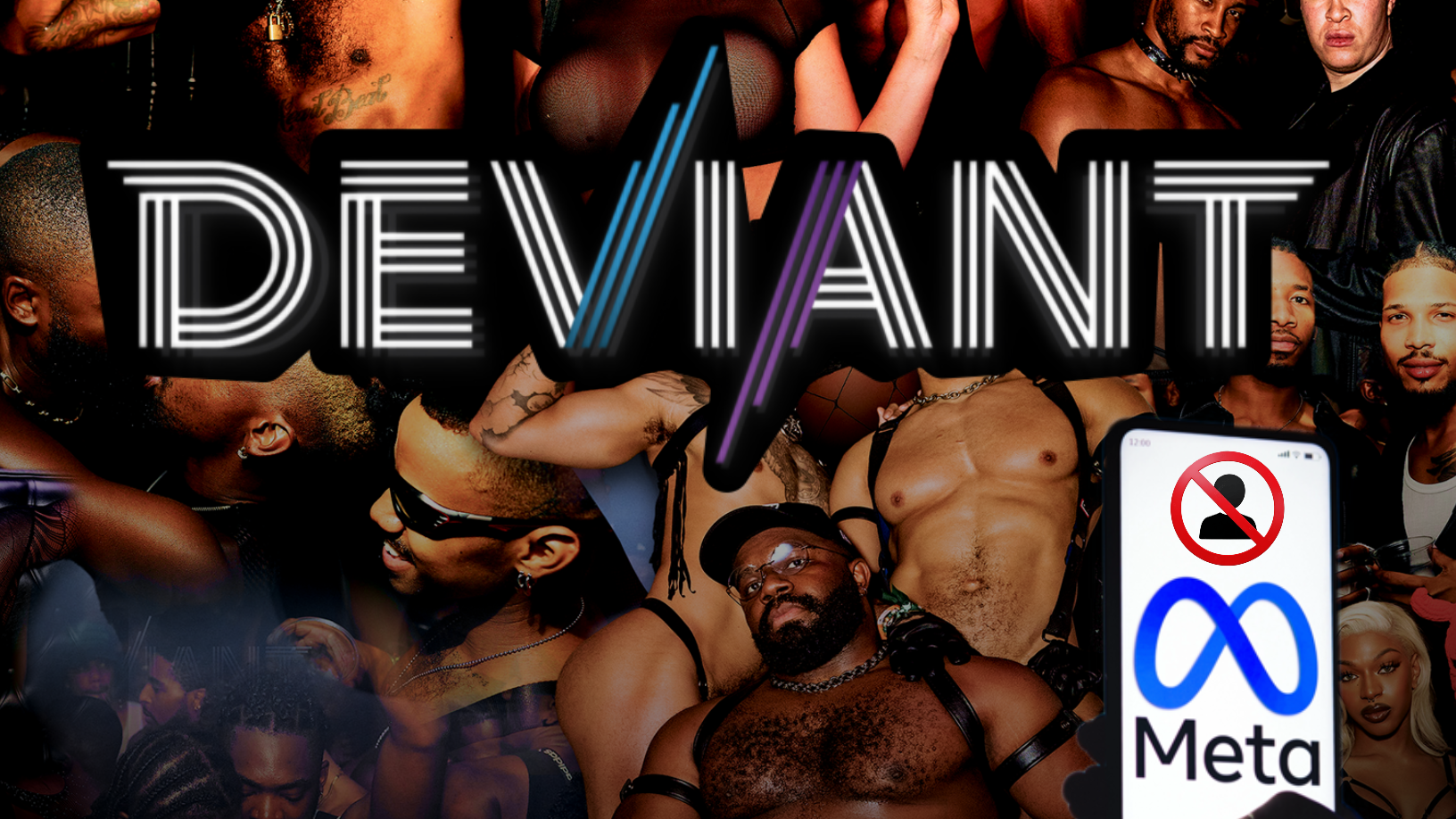
META has recently enforced a ban on Deviant Events, a well-known LGBTQ+ nightlife party that has gained popularity for its vibrant and inclusive atmosphere. The platform's decision has sparked concern among organizers and attendees who see the event as a vital space for community expression and celebration.
The ban came without prior warning, leaving organizers scrambling to understand the reasons behind the restriction. Many speculate that the platform's policies on content and community standards have become more stringent, especially concerning events that challenge traditional norms or push boundaries.
Deviant Events has built a reputation for its bold themes, diverse performances, and welcoming environment for LGBTQ+ individuals. Its suspension on META's platform has significantly impacted its ability to reach its audience, as social media remains a primary channel for promotion and community engagement.
In response to the ban, organizers are exploring alternative avenues to sustain the event. This includes shifting to other social media platforms, creating independent websites, and organizing offline gatherings to maintain their community presence. They are also advocating for greater understanding and support from platform providers, emphasizing the importance of safe spaces for marginalized groups.
The situation highlights ongoing tensions between digital platform policies and community rights, especially for marginalized groups like the LGBTQ+ community. While platforms like META aim to enforce community standards, critics argue that such bans can inadvertently suppress vital cultural expressions and social activism.
Despite these challenges, the organizers of Deviant Events remain committed to their mission of fostering inclusivity and celebration. They are determined to adapt and find new ways to keep their community connected and thriving, even in the face of platform restrictions.
This incident underscores the broader debate over free expression online and the responsibilities of social media companies to support diverse communities. As the LGBTQ+ nightlife scene continues to evolve, it will be interesting to see how organizers navigate these digital restrictions and what new spaces they will create for expression and solidarity.